
A comprehensive exploration into the world of tabletop games, delving into their origins, diversity, and influence on social interaction and culture.
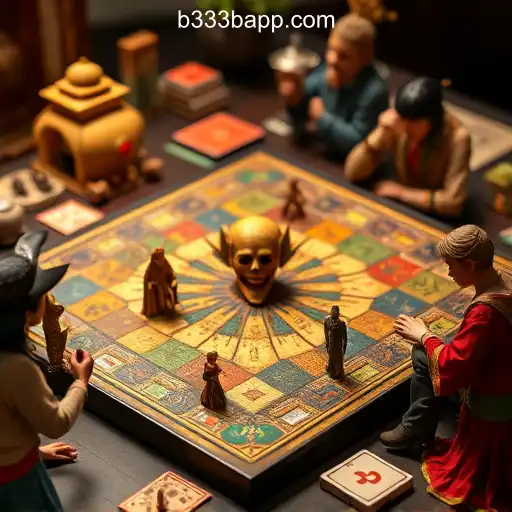
Exploring the Rich World of Tabletop Games
The world of tabletop games is vast, offering myriad experiences that cater to diverse interests. From classic board games to strategic role-playing adventures, tabletop games have maintained their popularity through the decades, continually evolving to engage new generations of players. This article delves into the fascinating history of tabletop games, examining their cultural significance and the ways they foster social interaction.
The Historical Roots of Tabletop Games
Tabletop games have been a part of human culture for millennia. The earliest recorded example, the Egyptian game Senet, dates back over 5,000 years. This ancient game played a vital role in society, often associated with spiritual and religious beliefs. As time progressed, other civilizations developed their own games. The Chinese invention of Go and the Indian creation of Chess are prime examples of games that have stood the test of time, enduring through centuries with minimal change to their basic rules.
During the 20th century, tabletop games underwent significant transformation. The mass production of games such as Monopoly in the 1930s marked a turning point, making games more accessible to the average household. This era set the stage for the modern board game industry, influencing the diverse offerings we see today.
Modern Tabletop Games: A Wide Spectrum of Experiences
Today, tabletop games encompass a broad range of genres and mechanics, offering something for everyone. From simple party games designed for quick enjoyment, like Codenames or Jenga, to complex strategy games such as Terraforming Mars or Gloomhaven, players can find games tailored to various tastes and skill levels.
One genre that has seen substantial growth in recent years is role-playing games (RPGs). Games like Dungeons & Dragons have become cultural icons, thanks in part to their ability to offer expansive, immersive worlds driven by creativity and storytelling. RPGs emphasize collaboration and imagination, allowing players to inhabit unique roles within the game's narrative.
Social Interaction and Cultural Impact
At the heart of tabletop games is their ability to bring people together. Unlike many digital experiences, tabletop games require players to physically gather around a table, encouraging face-to-face interaction and communication. This communal aspect fosters strong social bonds, often leading to the development of lasting friendships.
Moreover, tabletop games reflect cultural trends and movements. Games like Pandemic mirror modern concerns, such as global health crises, while games with historical themes offer players an engaging medium to explore and learn about different epochs. These connections with real-world issues not only enhance the thematic resonance of the games but also provide educational value.
Another intriguing example in the tabletop realm is the surge of digital adaptations and integrations. With the rise of technology, many traditional games have embraced digital components, offering hybrid experiences that blend the physical and digital worlds. This trend showcases the adaptability of tabletop games and their capacity to innovate continually.
A Global Perspective
Tabletop games enjoy a global audience, with different cultures contributing unique offerings. European-style games, often referred to as 'Eurogames', emphasize strategy and resource management, with classics like Settlers of Catan leading the charge. Meanwhile, American-style games, known for their thematic depth and player interaction, include popular titles such as Risk and Twilight Struggle.
The Brazilian gaming scene has also seen remarkable growth, with local designers gaining recognition on the international stage. For those interested in exploring Brazil's top gaming destinations, consider visiting b333b O melhor cassino online do Brasil⭐️, the best online casino in Brazil, where one can find an exciting range of games that combine local flair with global gaming trends.
The Future of Tabletop Games
Looking forward, the tabletop game industry shows no signs of slowing down. Innovations in game mechanics, storytelling, and production quality continue to entice new players, while dedicated communities uphold the spirit of gaming through conventions and online forums. As virtual reality and augmented reality technologies advance, further synergy between digital and physical game elements is expected, promising even more immersive experiences.
Overall, tabletop games will undoubtedly remain a beloved form of entertainment, a means of education, and a facilitator of social interaction. As they evolve, they will continue to captivate us with their rich diversity and the joy of gathering around a table to share in the unique magic that only tabletop games can provide.